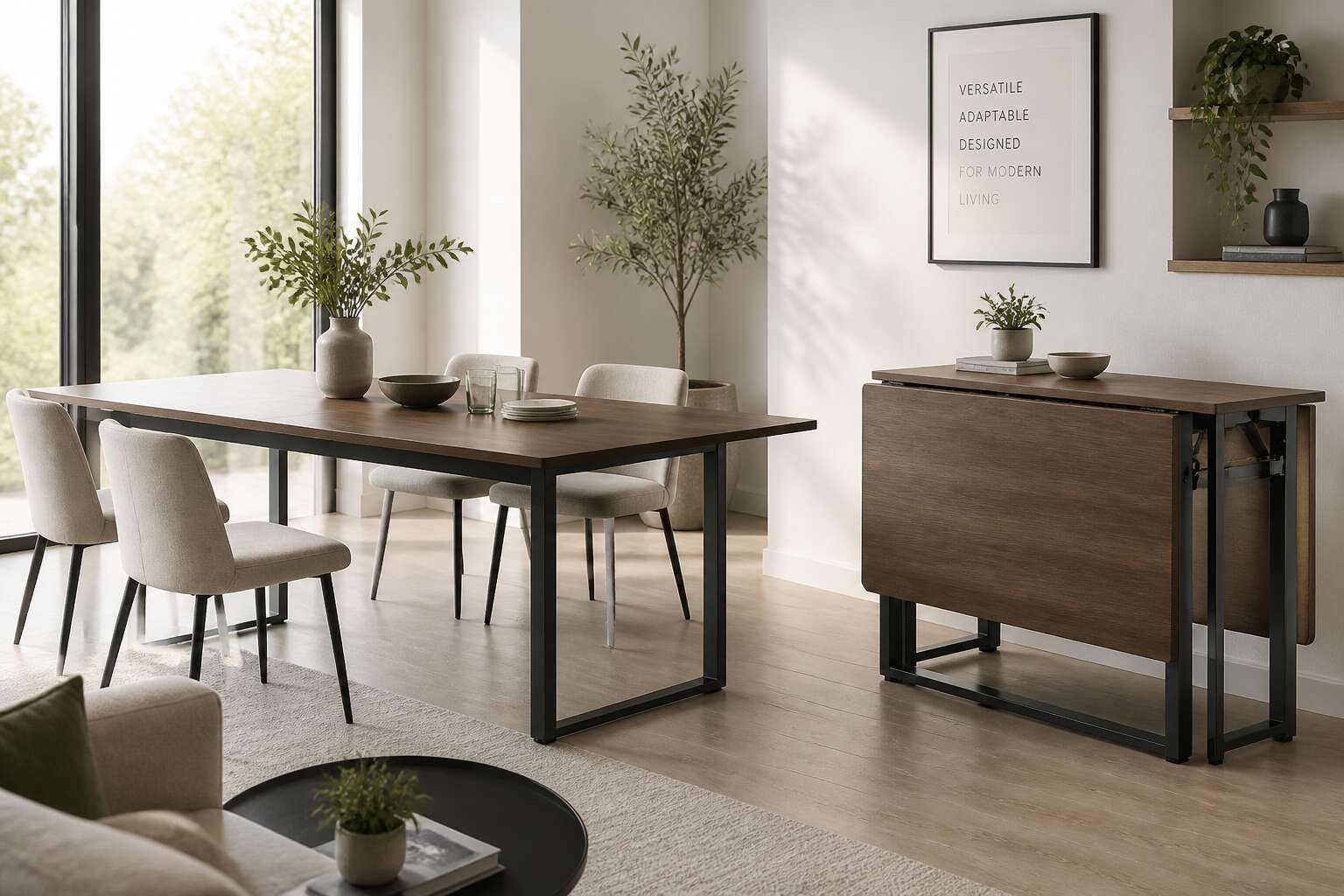
Exploring Foldable Table Varieties
Banquet and Event Tables
There is a quiet dignity in a table that folds. It stands ready to serve hundreds at a wedding reception, then disappears into a storage room by midnight, leaving no trace of the laughter it supported. In South Africa’s busy event circuit, the folding table range has become essential equipment, yet few pause to consider what these surfaces silently endure.
Banquet tables and event tables carry different burdens. A banquet table must project formality, often draped in linen and dressed for long, ceremonial meals. An event table, by contrast, might face the chaos of a market stall or the steady pressure of stacked displays. Their shared trait is resilience, but the way they flex under weight, both physical and symbolic, depends on the setting.
- Banquet tables favour longer spans, often 6 to 8 feet, to seat large parties
- Event tables prioritise portability with lightweight frames and locking mechanisms
- Finish matters: laminate survives spills, while plywood offers a warmer aesthetic
Choosing within a folding table range goes beyond logistics. It reveals something about how you expect people to gather, whether you anticipate a rigid, choreographed affair or a loose, improvised one. The table becomes a participant in every interaction, shaping posture, eye contact, and even the closeness of conversation. That is worth considering before you unfold your next arrangement.
Portable Camping Tables
Roughly 40% of South African households have gone camping in the past year, yet many still wrestle with cramped, unstable surfaces. I have watched campers balance dinner plates on upturned crates, so the portable camping table deserves closer attention. This subtype of the folding table range endures sand, drizzle, and cast iron pots.
- Aluminium tops resist corrosion in humid regions
- Telescopic legs adjust for uneven ground
- Carry bags with reinforced handles survive repeated packing
Weight remains the central trade-off. A lighter table hauls easily but topples under a heavy cooler. Heavier options offer stability yet drain energy on long walks. The folding table range for outdoor enthusiasts balances portability against resilience, and the choice narrows to one honest question: how far are you willing to carry it!
Utility and Work Tables
Ask a builder to name the most abused object on site, and the answer is often the work table. The folding table range for utility and work spaces fills a gap left by banquet and camping models. It does not need elegance. It needs strength!
I have seen good work tables fail when the locking pin gave out. A proper utility table offers a flat, solid surface that survives repeated assembly. The frame matters more than the top. Look for reinforced corner brackets and locking hinges that do not sag after a season. Adjustable feet accommodate workshop floors that slope with age.
For those who need a mobile bench:
- Check the load rating.
- Inspect the locking mechanism for sawdust tolerance.
- Choose a lower shelf for tool storage.
Some models include built in clamps or pegboard back panels. The humble folding table range earns its place in any hard working space.
Adjustable Height Models
Height dictates posture, and posture dictates endurance. Adjustable height models in the folding table range let a person shift between standing work and seated drafting in a single motion.
The mechanisms matter. A gas strut gives a silent, controlled rise. A pin and collar system offers a firm click at each increment. Neither is superior. The choice depends on the task.
- For a workshop bench, a crank mechanism supports heavy loads without drifting.
- For a design studio, a pneumatic lift allows fine height changes.
- For exhibition stands, a lever lock engages with one hand.
The folding table range grows more versatile each year, and adjustable height models prove that a simple piece of furniture can still respect the body’s demands.
Key Materials and Construction
Plastic and Resin Options
Plastic and resin choices determine how well a folding table range survives real working conditions. High-density polyethylene (HDPE) and polypropylene dominate the market for good reason. Both resist moisture, chemicals, and general wear. But the grade matters more than the name. Virgin polymer resins outperform recycled blends in impact strength and colour retention, which is why premium suppliers specify them.
In South Africa’s intense UV conditions, UV stabilised polypropylene prevents the brittleness that plagues cheaper imports. Structural foam moulding adds rigidity without excessive weight, allowing tabletops to bear uneven loads without cracking. A folding table range built with these materials handles the hospitality circuit without warping.
Consider the base materials:
– Polypropylene tops resist solvents and cleansers
– ABS edges absorb knocks without splitting
– Resin-filled frames reduce flex in the legs
These choices determine longevity. Get them wrong and the table fails within a season.
Metal Frames and Legs
Most folding table range failures begin at the leg, not the surface. The metal frame bears the repeated stress of setup and breakdown. Steel remains the standard for commercial duty because its yield strength tolerates the repetitive stresses of stacking and unfolding. Aluminium offers lighter handling but demands thicker sections to match that rigidity.
Welded tubular legs outperform pressed assemblies. The weld eliminates the micro-movement that loosens fasteners over time. Powder coated finishes protect against rust, though coating quality varies widely between manufacturers.
- Square tube legs resist twisting better than round tube
- Gusset plates at the hinge point prevent lateral sway
- Spring loaded locking mechanisms engage with a positive click
The hinge itself deserves scrutiny. A folding table range only earns its name if the locking mechanism stays reliable after hundreds of cycles. I have watched cheap hinges fail within a season of weekend use. Premium options use hardened steel pins with nylon bushings for smooth action.
Wood and Laminate Surfaces
Nothing announces a venue’s priorities faster than a folding table range with a peeling laminate edge. The surface endures every spilled drink and dragged plate. Solid wood tops, usually birch or beech plywood, resist dents but need sealing. Most commercial options use laminate over engineered wood for stability and economy.
Quality depends on the substrate and the press. High-pressure laminate bonded to a moisture-resistant particleboard outperforms low-pressure melamine. Look for:
- impact-resistant phenolic layers beneath the decorative sheet
- ABS or PVC edge banding applied with heat, not glue alone
- a textured finish that hides scratches from cutlery
A well-made folding table range withstands the occasional abuse of a wedding reception. I have watched a laminate surface bubble after one rainy garden party. A poor one reminds you of every compromise made during its manufacture.
Weight Capacity and Stability
A folding table range is judged by its weakest weld, not its showroom finish. The load rating printed on the spec sheet means little if the crossbrace is undersized. I have watched a 180kg rated table buckle under half that weight during a school function!
Weight capacity depends on the crossbrace. Tables rated at 150kg use a full-width steel channel beneath the undertable. Cheaper units skip this, relying on hinge tension alone. The result is legs that wobble under a stack of plates.
Stability also comes from foot design. A 60mm rubber foot spreads load on tiled floors, whereas a bare steel foot dents vinyl. A 120kg rated table outperforms a 180kg rated one with a flimsy crossbrace.
Folding Mechanisms
A hinge carries three thousand folds before it wears. A folding table range reveals its quality in the pivot points, not the laminate. Steel hinges with a nylon bushing outlast bare metal by years, because the bushing absorbs the grit that scores the pin.
A roll-formed steel channel with a welded stop plate beats a folded aluminium track when dragged across a loading dock. The folding mechanism falls into two families: scissor action and pin lock. Scissor actions demand a shoulder bolt, never a standard thread. Pin locks need a spring with a defined temper, not wire that fatigues after twenty folds.
- Check for a captive pin that cannot drop out during transport
- Look for a gusset plate at the hinge weld, not a single bead
An import once failed when its aluminium rivet sheared against a steel lever. The better folding table range avoids that mismatch with a polymer glide shoe and a lithium grease, not oil that attracts dust.
Size, Shape, and Configuration
Rectangular and Round Formats
Size, shape, and configuration determine how a folding table range performs in a given space. Rectangular formats dominate boardrooms and canteens, where long rows increase seating density. Round formats encourage conversation and suit smaller venues. The range includes both, with widths that vary to match aisle allowances and room proportions.
Common size options:
- 1.2 metre round for four guests
- 1.8 metre rectangular for six
- 2.4 metre rectangular for eight
Some configurations offer half-round or kidney shapes for specialised layouts. These give planners flexibility without sacrificing foldability. A square breakout table occupies more floor space per person, so round models often prove more efficient in tight areas. Each format folds flat for storage, and the range covers most spatial planning needs.
Compact and Space-Saving Designs
Floor area is the most expensive asset a venue owns, yet folding tables waste it even when stowed away. A folding table range addresses this with models that collapse to a slim profile and store vertically against a wall. The most compact units reduce floor footprint by up to 70 percent when folded.
Venues operate between bookings. Tables that stack neatly or roll on casters save staff time and prevent damage to doorframes. Some designs use a half-fold mechanism that shortens length without full disassembly. Others feature legs that nest together when folded.
- Units under 10 centimetres folded depth store in narrow closets
- Integrated handles move tables quickly between rooms
- Lighter frames ease the strain on loading crews
For rental companies, the folding table range offers a measurable advantage: more tables per truck, fewer trips, lower fuel costs. Compact does not mean fragile. The best space-saving designs keep the same load ratings as full-size counterparts while trimming excess bulk through smarter hinge placement and frame geometry.
Outdoor and Indoor Compatibility
Size, shape, and configuration decide whether a folding table range serves a vineyard terrace or a hotel ballroom. South African light shifts quickly, so tables must move from shade to sun without complaint. The right footprint clears doorways when set up and again when collapsed. Shape influences flow. Rectangular tops pack closer along walls; square models suit compact seating grids. Configuration includes leg angles and locking mechanisms that affect outdoor stability on grass or paving.
Indoor compatibility demands quieter operation. Rubber feet soften placement on wooden floors. Outdoor units need rust resistant hardware. These factors determine compatibility:
- Door width measurements
- Table height against standard chairs
- Folded unit stability on uneven surfaces
The folding table range works across these environments. A well chosen unit stays level indoors and holds firmly outside, reducing setup time across every booking.
Themed and Customizable Finishes
The geometry of a room shifts the moment a table folds. Configuration dictates that shift. A folding table range built with variable leg angles and self-locking mechanisms creates a distinct presence on a stone terrace versus a polished hall. You measure doorways, but you also measure the subtle imbalance of a sloped lawn. The right wedge foot or adjustable leveller turns a suspect surface into a stable platform.
Once the bones are set, the finishes speak. A themed event demands more than a blank white core. Customisation options include:
- Thermal printed graphics embedded under a protective laminate
- Colour-matched edges that eliminate visual breakage
- Low-sheen surfaces that hide scuffs from rapid venue turnovers
These finishes transform a utility object into an event asset. The result is a table that holds the theme without drawing attention to its own mechanics. Guests perceive the brand, the layout, the ambiance, but never the hinge.
Practical Applications and Settings
Home and Kitchen Use
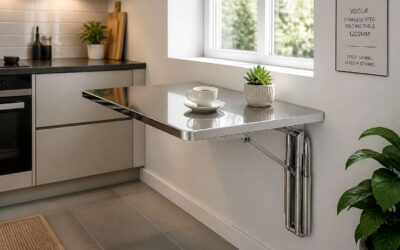
The kitchen is the one room where space runs out first. In many South African homes, the countertop doubles as a dining table and prep station. A folding table range gives households a way to reclaim that space without a permanent fixture.
I have seen how these tables work in practice. In a Johannesburg townhouse, a folded table sits behind the door until needed. When guests arrive, it opens into a buffet server. During the week, it becomes a pastry station for someone who bakes bread before sunrise.
- Use one beside the oven to hold hot pots safely
- Set it up in the garage as a repacking station for bulk groceries
- Place it against a wall for extra prep space during large family meals
Renters and homeowners alike find a folding table range practical because it works with the space they have.
Office and Meeting Rooms
In a Cape Town office we surveyed, the boardroom table was used only four hours per week, yet occupied seventeen square metres. A folding table range changes that arithmetic. When the strategy session ends, the tables fold into a trolley and the room becomes a yoga studio. Office managers use them for quarterly planning, then stash them behind the partition. They also serve as temporary desks during audit season. One business set up a folding table range against the window for supplier presentations, then cleared it for the Friday demo.
- Convert the open area into a breakout zone
- Support ad hoc interviews without booking the boardroom
The portability means you can reconfigure the room in minutes, not hours. Meeting rooms become adaptable assets, not fixed costs.
Tradeshows and Exhibitions
At the Durban Exhibition Centre, a startup spent four hours building a display pod, then packed it away ninety minutes later. That mismatch explains the rise of the folding table range in South African exhibition halls.
Exhibition crews value speed above permanence. A folding table range lets you convert a bare stall into a working reception counter, demo bench, or consultation corner without hiring carpenters. One person can carry, set up, and level a table in the time it takes to find a power outlet!
At multi-day expos, the range proves its value between sessions. Teams collapse the tables at 6 p.m. for the cleaners, then reset them by 8 a.m. with fresh stock. Stands in Cape Town and Sandton use the same tables for morning briefings and afternoon client meetings, and the whole range fits into a single bakkie.
Educational Environments
Walk into any South African school hall on a Friday afternoon and you will find the folding table range in active use. The same tables that hosted morning exams become the foundation for robotics club, then transform again for parent meetings.
In university seminar rooms, the range solves the problem of fixed seating layouts. Lecturers reconfigure spaces for group work, tutorials, and practical demonstrations without calling facilities. One campus in Gauteng uses the tables for everything from registration week to student council elections, and the range handles the demands of varsity life.
- Primary schools use them for reading circles and art sessions
- Technical colleges set up welding simulators and wiring boards
- Adult education centres arrange them into U shapes for discussion groups
Teachers appreciate the quick break down between periods. A classroom that needs open floor space for movement can be cleared in minutes! The folding table range stacks flush against the wall, and every unit fits into the storage cupboard that was never designed for furniture.
Outdoor and Recreational Activities
Saturday mornings in the Western Cape turn parking lots into open air markets. Stallholders unload their wares and set up a folding table range that transforms boot sales into proper trading posts. Adjustable legs handle uneven ground, and the surfaces withstand wind, sun, and the odd drizzle.
Community sports days rely on the same equipment. Club secretaries use the tables for registrations, first aid stations, and half time refreshments. One table becomes the score table, another holds trophies. The range moves from field to field as matches finish.
Church picnics, school fun days, and beach cleanups all draw on these portable surfaces. They fold away into a bakkie within minutes. The folding table range has become essential equipment for outdoor recreation in South Africa, holding its place wherever people gather.
Factors to Consider Before Purchasing
Portability and Storage
Consider the moment you must move the table from a storeroom to a vehicle. A folding table range can feel remarkably different once you factor in weight distribution and grip points. Some models feature integrated handles, while others rely on awkward edges.
Storage demands equal attention. Measure your available space against the folded footprint. A table that folds to a slim profile still requires clearance for its length and width.
- Check the folded thickness for tight cupboards
- Verify if the legs lock flat to prevent snags
- Look for a carry strap or wheel kit for longer distances
These details separate a practical purchase from a regretful one. I always test the lifting motion before committing, because a few kilograms feel heavier after twenty metres.
Ease of Setup and Folding
Setup speed separates a folding table range that serves you from one that tests your patience. A quality unit should deploy in under a minute without tools or contortions. The locking mechanism matters more than most buyers realise. A stiff latch or a hinge that catches fabric can turn a simple task into a daily frustration.
Test the folding action yourself before purchasing. Some tables require two hands and a firm push to collapse, while others glide shut with a single motion. The best designs use a tension system that holds the legs securely open and releases them cleanly.
- Check that the release levers sit within easy reach
- Confirm the table stands level once unfolded
- Verify the folding joints do not pinch fingers
Consider who will handle the setup. A folding table range aimed at event staff may prioritise speed, while a home model can afford a slower, safer mechanism.
Maintenance Requirements
South African summers are brutal on anything that folds. A folding table range that survives braais and thunderstorms demands more than a casual wipe. Moisture is the enemy. It creeps into pivot points, swells laminate edges, and turns mild steel into rust art. Check the manufacturer’s cleaning guidelines. Alcohol based sprays strip protective coatings. Harsh abrasive pads scratch powder coated finishes, exposing bare metal to corrosion.
Regular maintenance keeps the mechanism honest. A drop of silicone lubricant on the hinges every few months beats wrestling a stuck latch at a wedding. Inspect the leg caps for wear. Replace them before they gouge the garage floor. Consider where the table lives. Humid coastal air in Durban or dust in Gauteng changes the maintenance schedule. Neglect shows first on a folding table range’s joints, where grime accelerates wear.
Price and Value Considerations
Price is a starting point, not a verdict. A modest folding table range can cost less upfront, yet the total expense over a decade includes repairs, replacements, and lost productivity when a leg collapses. I have watched buyers save R200 on a table only to spend R600 on transport and a new unit within a year.
- Warranty length and what it covers
- Availability of replacement parts
- Structural warranty versus cosmetic warranty
Value depends on the specific purpose. A rental company in Johannesburg calculates differently than a church hall in Cape Town. Ask about bulk discounts and delivery charges. Compare price per kilogram of table weight, since heavier models indicate stronger materials.
Care and Longevity
Cleaning Best Practices
A scuff mark can tell a story, but a deep scratch from harsh scrubbing is a permanent mistake. I have seen a folding table range outlive its owners because they understood the quiet discipline of upkeep. In the South African climate, where coastal salt air and Highveld dust present constant challenges, the right cleaning habits are essential.
Use warm, soapy water on the surface. Avoid steel wool and abrasive bleach, which strip the protective layer. For metal frames, a thorough dry prevents rust near the joints, especially during Durban’s humid summers.
An annual inspection of hinges and locking mechanisms prevents premature failure. A light silicone lubricant keeps the folding joints fluid, while a quick wipe of the underside edges catches splinters before they become cracks.
Clean spills immediately, and store the unit away from direct sunlight. Respect the material, and your folding table range will deliver a decade of steady service.
Protecting Surfaces from Damage
The surface of a folding table range endures more than weight. It bears hot mugs, metal buckles, and the grit of a Highveld windstorm trapped under a serviette. In my years observing hospitality setups, the tables that fail aesthetically do not fail from age. They fail from a single dragged crate or a dropped spanner leaving a mark that no polish removes.
Consider the physics of a lunch spread. A ceramic plate sliding across a laminate top creates micro abrasions. Repeated, they cloud the finish. Durban’s humidity lifts edges, while Johannesburg’s dry air makes surfaces brittle. A folding table range must face both extremes without losing its face.
- Sharp belt buckles at trade shows
- Cast iron pots at family braais
- Gritty dust under tablecloths
Protection is not a barrier but a behaviour. I have watched rental staff place cardboard under every load, and those units returned year after year with their gloss intact. Meanwhile, a pristine table from a showroom faded in month one. The surface rewards the patient owner every single time!
Replacing Parts and Hardware
Every folding table range eventually asks for a small act of renewal. A hinge loosens, a caster wobbles, a leg cap splits. The fix is not mysterious. Replace the hardware before it fails. I have seen a table survive a decade on a single replacement bolt, while another folded in on itself because nobody tightened the pivot screw.
Rental stock in Cape Town and Durban suffers the most. Salt air corrodes mild steel fasteners. Stainless steel hardware costs more, but it outlasts three rounds of standard replacements. Keep a small inventory of common parts:
- Pivot bolts and washers
- Rubber feet or glides
- Cam locks and dowels
- Hinge pins
One spare part in a toolbox can save an entire table. The longevity of a folding table range depends on this quiet discipline. Check the joints when you fold. Listen for the click. Replace what feels loose. The table rewards that attention with years of faithful service.


0 Comments